Introduction
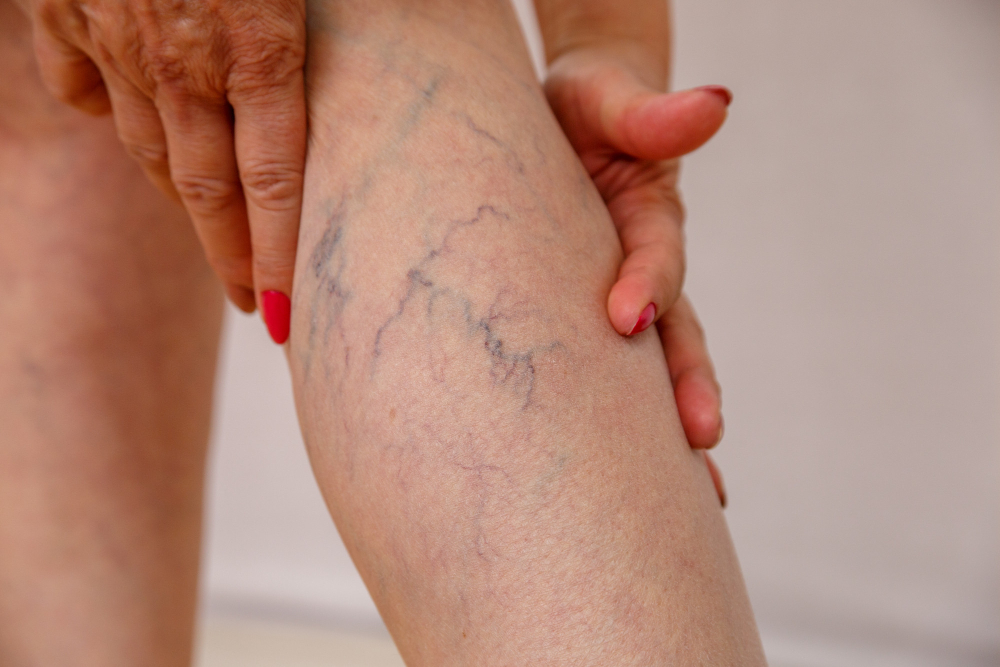
Varicose veins are swollen, twisted veins that often appear on the legs. Many people notice these veins as blue or purple lines under the skin. Because varicose veins can cause discomfort, it is important to understand their symptoms and treatment options. In this blog, you will learn about leg vein problems, vein health, and ways to prevent varicose veins.
What Are Varicose Veins?
Varicose veins are veins that have become enlarged and twisted. Usually, they develop in the legs. This happens because standing and walking increase pressure in the veins of your lower body. As a result, the valves in the veins may weaken. When this occurs, blood can pool in the veins, making them bulge. Although varicose veins are common, they can sometimes lead to pain or other issues.
Common Symptoms
Many people with varicose veins notice visible changes in their legs. However, symptoms can vary. For example, some people may not feel any discomfort. Others may experience:
Sometimes, symptoms get worse after standing or sitting for long periods. If you notice these signs, it is wise to seek medical advice.
Causes and Risk Factors
Varicose veins develop when the valves in your veins do not work properly. Because of this, blood flows backward and pools in the veins. Several factors can increase your risk, such as:
Additionally, hormonal changes can play a role. For instance, pregnancy or menopause may increase your risk.
Diagnosis Methods
Doctors can often diagnose varicose veins by looking at your legs. However, they may use other tests to check for complications. For example, a common test is a duplex ultrasound. This test uses sound waves to see how blood flows in your veins. Sometimes, your doctor may suggest other imaging tests to rule out blood clots or other vein problems.
Treatment Options
There are many ways to treat varicose veins. The right option depends on your symptoms and overall health. Some common treatments include:
Most treatments are safe and effective. However, you should talk to a specialist about the best option for you. If you are searching for “varicose vein treatment near you,” ask your doctor for recommendations.
Lifestyle Tips for Management
Even though varicose veins can be bothersome, simple steps can help manage symptoms. For instance, you can:
With these tips, you may notice less swelling and discomfort.
Prevention Strategies
While you cannot always prevent varicose veins, you can lower your risk. For example, you can:
Because prevention is easier than treatment, these habits can help protect your vein health.
Conclusion
Varicose veins are a common leg vein problem. Although they can cause discomfort, many treatments and lifestyle changes can help. If you notice symptoms or want to learn more about preventing varicose veins, consult a specialist Dr Praveen Polyclinic for personalized guidance.