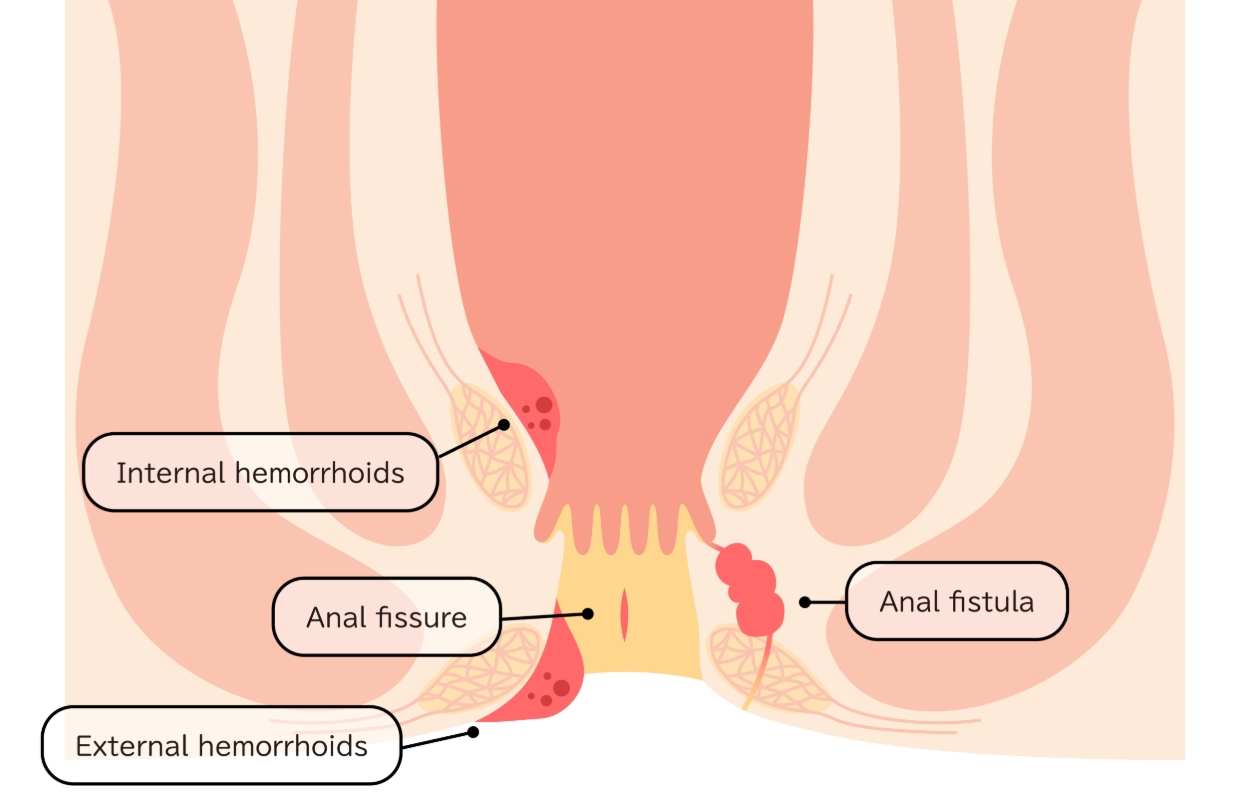
What Are Anal Fissures?
Anal fissures are small tears or cuts in the lining of the anus. These tears can cause pain, bleeding, and discomfort during bowel movements. Often, people feel worried when they notice blood or sharp pain. However, anal fissures are common and treatable. In recent years, laser treatment for anal fissures has become popular because it offers less pain and faster healing.
Common Symptoms and Causes
Many people with anal fissures notice certain symptoms. For example, you may feel a sharp pain during or after passing stool. Sometimes, you might see bright red blood on toilet paper. In addition, itching or a small lump near the anus can occur.
Several factors can cause anal fissures. Most often, hard or large stools stretch the skin too much. Sometimes, frequent diarrhea or constipation can lead to tears. In rare cases, other health problems like Crohn’s disease may play a role (CDC, 2023).
Traditional Treatments vs. Laser Treatment
Traditionally, doctors suggest simple steps first. For instance, they may recommend warm baths, creams, or changes in diet. These methods help many people heal within a few weeks. However, some fissures do not heal easily. In such cases, surgery may be needed.
Conventional surgery involves cutting a small muscle to reduce pain and help healing. But, this can cause discomfort and a longer recovery time. Now, minimally invasive fissure treatment, like laser surgery for anal fissures, is available. This new method offers several advantages over traditional surgery.
How Laser Treatment Works
Laser treatment for anal fissures uses a focused beam of light. The doctor directs the laser to the affected area. As a result, the laser gently removes damaged tissue and helps new skin grow. The process is quick and precise. Most people feel less pain during and after the procedure.
Because the laser seals blood vessels, there is usually less bleeding. In addition, the risk of infection is lower. Many clinics now offer laser treatment for anal fissures in major cities, making it easier to access this care.
Benefits of Laser Treatment: Less Pain and Faster Healing
Laser surgery for anal fissures offers many benefits. For example, it is less painful than traditional surgery. Also, recovery time is shorter. Most people return to normal activities within a few days.
According to recent studies, minimally invasive fissure treatment with lasers leads to high success rates and patient satisfaction (PubMed, 2022).
What to Expect During and After the Procedure
Before the procedure, your doctor will explain each step. Usually, you will receive local anesthesia to numb the area. The laser treatment itself takes about 15 to 30 minutes. Afterward, you can rest for a short time before going home.
Most people feel mild discomfort for a day or two. However, pain is much less compared to traditional surgery. You may need to avoid heavy lifting or strenuous activity for a few days. Your doctor will give you simple care instructions to help with healing.
Prevention and Lifestyle Tips
Even after healing, it is important to prevent new fissures. Simple lifestyle changes can help. For instance, eating more fiber keeps stools soft and easy to pass. Drinking plenty of water also helps. In addition, regular exercise supports healthy digestion.
These steps lower your risk of future anal fissures and support overall health.
When to See a Specialist
If you have ongoing pain, bleeding, or discomfort, it is important to see a specialist. Sometimes, fissures do not heal with home care. In these cases, advanced treatments like laser surgery for anal fissures may be needed. Early treatment can prevent further problems and help you recover faster.
Remember, only a trained doctor can recommend the best treatment for your needs. If you are looking for laser treatment for anal fissures in your area, ask your healthcare provider for guidance.
Conclusion
Anal fissures can be painful, but new treatments offer hope. Laser treatment means less pain and faster healing for many people. If you have symptoms, consult Dr Praveen Polyclinic for personalized advice and care.