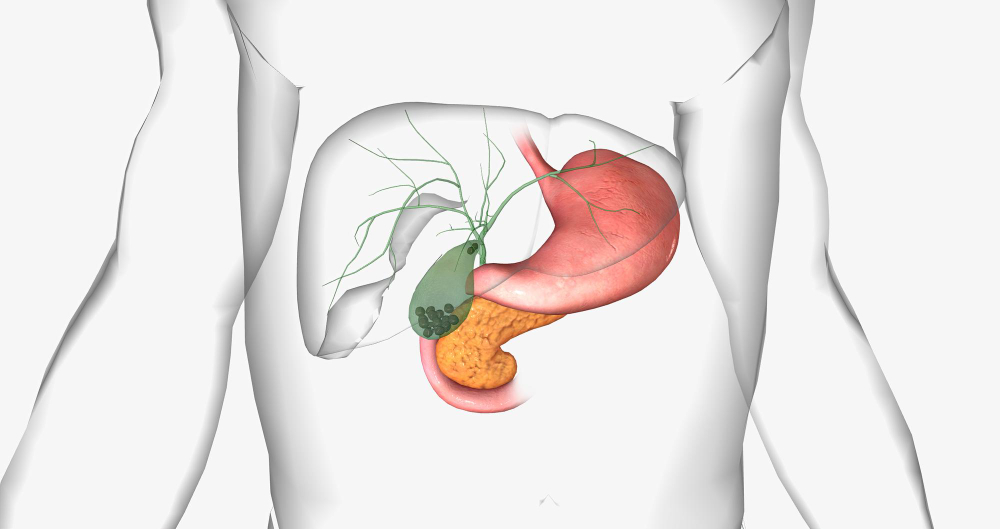
What Are Gallstones?
Gallstones are small, hard pieces that form in the gallbladder. The gallbladder is a small organ under your liver. It stores bile, which helps digest fat. Sometimes, bile forms stones. These are called gallstones. Many people have gallstones and do not know it. However, some people may need gallstones surgery if problems develop.
Common Symptoms of Gallstones
Most people with gallstones have no symptoms. But, when a stone blocks a duct, symptoms can appear. For example, you might feel:
Sometimes, these symptoms come and go. But, if pain is severe or lasts long, you should see a doctor. Early treatment for gallstones can prevent serious problems.
Causes and Risk Factors
Gallstones form when bile has too much cholesterol or bilirubin. Over time, these build up and form stones. Several factors can increase your risk. For instance:
Because some risks cannot be changed, knowing your risk helps you stay alert for symptoms.
How Are Gallstones Diagnosed?
Doctors use several tests to find gallstones. Usually, an ultrasound is the first step. This test uses sound waves to look inside your belly. Sometimes, other scans like CT or MRI are needed. Blood tests can also help. They check for infection or problems with your liver. If you have symptoms, these tests help decide if you need treatment for gallstones.
When Is Surgery Needed for Gallstones?
Not everyone with gallstones needs surgery. In fact, many people never have problems. However, surgery is needed if:
Sometimes, doctors may suggest surgery even if you have no symptoms. For example, if you have certain health conditions, surgery may prevent future problems. According to the CDC, gallbladder removal is one of the most common surgeries in the United States.
Types of Gallstone Surgery
There are two main types of gallstones surgery. The most common is laparoscopic gallbladder removal. In this surgery, doctors make small cuts and use a camera to remove the gallbladder. Recovery is usually quick. Sometimes, open surgery is needed. This involves a larger cut and a longer recovery. Your doctor will choose the best option for you. Both surgeries remove the gallbladder, so stones cannot return.
Recovery and Aftercare
After gallbladder removal surgery, most people recover in a few days. With laparoscopic surgery, you may go home the same day. However, open surgery may need a longer hospital stay. After surgery, you may need to:
Most people live a normal life without a gallbladder. But, some may notice mild changes in digestion. If you have questions, your doctor can help guide you.
Prevention Tips
While you cannot prevent all gallstones, some steps may lower your risk. For example:
Because some risks are out of your control, regular check-ups can help catch problems early.
If you have symptoms of gallstones, consult Dr Praveen Polyclinic for personalized guidance. Early care can help you avoid serious problems and choose the best treatment for your needs.