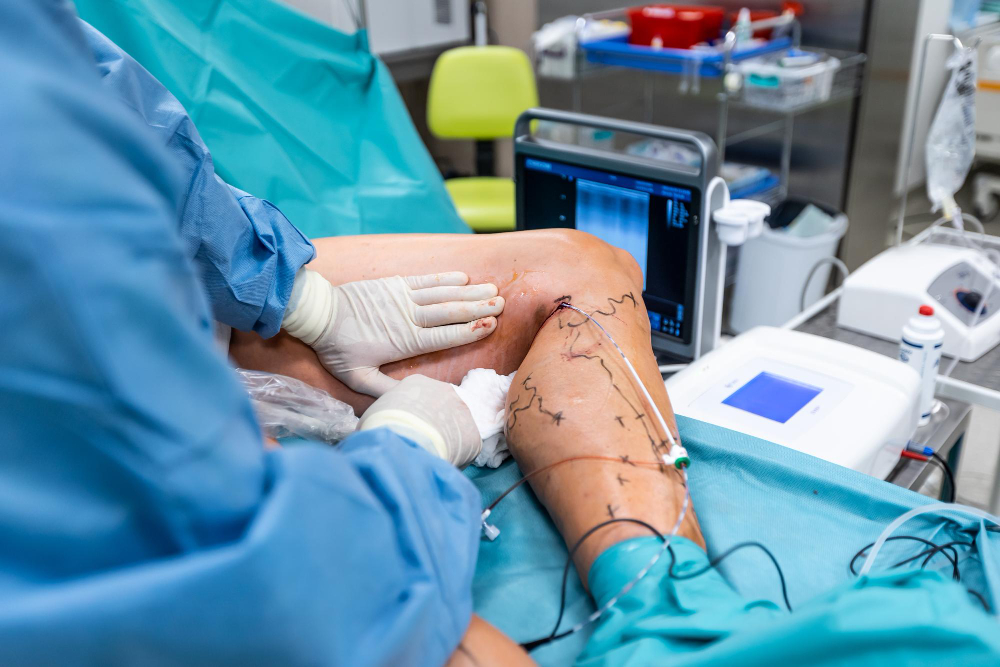
Many people wonder, “when is vascular surgery indicated?” This is a common question for those with blood vessel problems. Sometimes, vascular surgery is needed to treat serious issues. In fact, knowing the signs you may need vascular surgery can help you get care sooner. Because vascular surgery indications can vary, it is important to understand the main reasons doctors recommend it. In this blog, we will explain vascular conditions requiring surgery and how doctors make these decisions.
What Is Vascular Surgery?
Vascular surgery is a type of surgery that treats problems with blood vessels. These vessels include arteries and veins. While some problems can be managed with medicine, others may need surgery. For example, blocked or damaged blood vessels can cause pain or other health risks. According to the CDC, vascular disease can lead to stroke, heart attack, or limb loss if not treated.
Common Vascular Conditions Requiring Surgery
Some vascular conditions are more likely to need surgery. However, not every case will require an operation. Below are some common vascular conditions requiring surgery:
Because these conditions can be serious, doctors may suggest surgery if other treatments do not work.
Signs and Symptoms Indicating the Need for Vascular Surgery
Although symptoms can differ, some signs you may need vascular surgery include:
Because these symptoms can signal serious problems, you should talk to a doctor if you notice them.
How Doctors Decide If Vascular Surgery Is Needed
Doctors use several factors to decide if vascular surgery is needed. First, they look at your symptoms and medical history. Next, they check how severe your condition is. For example, if blood flow is blocked and medicine does not help, surgery may be the best choice. In addition, doctors consider your overall health and risk factors. According to the World Health Organization, early treatment can prevent complications.
Diagnostic Tests Before Vascular Surgery
Before recommending surgery, doctors often use tests to check your blood vessels. These tests help find the exact problem. Common diagnostic tests include:
Because these tests give important information, they help doctors choose the safest treatment.
Treatment Options: When Surgery Is the Best Choice
Doctors usually try non-surgical treatments first. These may include medicine, lifestyle changes, or special stockings. However, if these do not work, surgery may be needed. Some common types of vascular surgery are:
Because each case is different, your doctor will explain the best option for you.
Preventing Vascular Problems
Although some vascular problems cannot be avoided, you can lower your risk. Here are some tips to help prevent vascular disease:
Because prevention is key, these steps can help protect your blood vessels and lower your need for surgery.
Take the first step towards better health. Book your consultation today with Dr Praveen Polyclinic