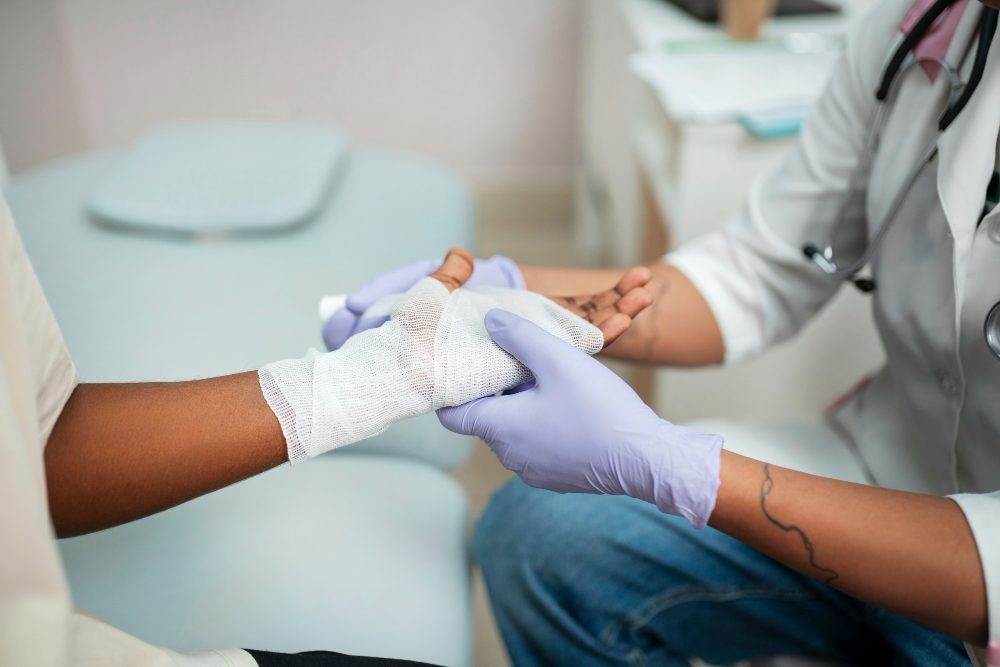
What Is Wound Care After Surgery?
Wound care after surgery means taking steps to help your body heal. After any operation, your skin and tissues need time to recover. Because of this, caring for your wound is very important. Proper wound care helps prevent infection and supports faster healing. For example, keeping the area clean and dry can make a big difference. Many people want to know how to prevent surgical wound infection, follow post-surgery wound healing tips, and speed up recovery after surgery. With the right care, you can help your body heal well.
Why Proper Wound Care Matters
Proper wound care protects you from infection. It also helps your wound heal faster. If you ignore wound care, you may face problems. For instance, infections can slow healing and cause pain. In some cases, untreated wounds may lead to serious health issues. According to the CDC, surgical site infections are a common problem after surgery. However, with good care, you can lower your risk. Most importantly, following your doctor’s advice keeps you safe and healthy.
Common Signs of Infection
It is important to watch for signs of infection. Early action can prevent bigger problems. Look for these signs:
If you notice any of these, contact your doctor right away. Quick action can stop the infection from spreading.
Step-by-Step Guide to Wound Care at Home
Taking care of your wound at home is simple if you follow these steps:
Always follow your doctor’s instructions. If you are unsure, ask for help.
Tips to Prevent Infection
Preventing infection is key to good healing. Here are some tips:
By following these tips, you lower your risk of infection.
How to Speed Up Recovery
There are ways to help your body heal faster after surgery. For example, eating healthy foods gives your body the nutrients it needs. Also, getting enough rest helps your body repair itself. Here are more tips:
With these steps, you can support your body’s natural healing process.
When to Seek Medical Help
Sometimes, you need to see a doctor right away. For instance, if you notice any signs of infection, do not wait. Seek help if you have:
Quick action can prevent serious problems. Always trust your instincts and call your doctor if you are worried.
Frequently Asked Questions
How often should I change my bandage?
Change your bandage as often as your doctor tells you. Usually, once a day is enough unless it gets wet or dirty.
Can I shower with my wound?
Ask your doctor first. Sometimes, you can shower if you cover the wound. However, avoid soaking the wound in water.
Is redness normal after surgery?
A little redness is common. But, if it gets worse or is painful, call your doctor.
What foods help with healing?
Foods rich in protein, vitamins, and minerals help your body heal. For example, eggs, chicken, beans, fruits, and leafy greens are good choices.
Should I use antibiotic ointment?
Only use ointments your doctor recommends. Not all wounds need antibiotic creams.
Consult a specialist at Dr Praveen Polyclinic for personalized wound care guidance after surgery.